
So, you want to rent out a property for the first time. I won’t pretend to be able to lead you through all of the legalities of Right to Rent etc, but I have seen a lot of properties and have a good idea of what issues can occur. From cleaning to insurances, gardens to trickle vents, I have tried to cover much of it here.
Is it clean? Is it really clean?
I can’t recommend that you look for a good, professional cleaner enough. Interview a couple, see what they have to say about end of let cleans, choose one you think best matches your own ideas of the perfect clean. For your own peace of mind this is one expense that is, in my opinion, well worth factoring in to every new l et!
et!
I would definitely recommend that you have a professional clean including carpets before letting your property for the first time. This will help you to ensure that tenants see the need for a professional clean on exit. Since its inception the TDS have dealt with more cleaning/damage issues than any other!
Furnished or unfurnished?
If you provide kitchen appliances and furniture these form part of the tenancy and, as the landlord, it is your responsibility to repair or replace them.
Before letting make sure furniture, equipment, fixtures and fittings are in good working order. Collect together all possible instruction leaflets / user manual, many can be downloaded from the internet. Put all user manuals for all equipment, including central heating system, ovens, washing machines, into a folder and mark it “User Manuals, Do Not Remove”. I will repeat that in the inventory and check it is still there at check out!
If you are providing soft furnishings then anything which is upholstered or has a filling i.e. mattresses, pillows, padded headboa rds, cushions, sofas, armchairs etc., must carry permanent labels indicating that they meet official fire resistant standards. I will only add, please don’t cut them off or tuck them in so that I can’t find them! Make sure the fire labels are still in place, and that I can access them! I would recommend you provide mattress protectors, but not necessarily bed linen. If you want your table tops to be protected then you could also provide table protectors.
Flooring
If you choose carpets they will become use worn, Doorways and other natural walk ways will show signs of heavier wear. It is inevitable that there will eventually be some furniture indents. Wooden and laminate floors will also become marked with use, furniture will inevitably leave marks. You can ask that your tenants use castor cups and/or furniture pads, you may want to provide them. You can even make sure your tenancy agreement makes it clear they must be used. You can also give clear instructions about wearing of shoes indoors.
But, I hear you ask, won’t that put off some tenants? Yes, it will! Mainly the ones who won’t be quite so careful about your carpets and laminate flooring.
Ventilation
If your windows have trickle vents, please leave instructions on how to use them. You could also leave a note on use of any extractor fans used. Simply leave written instructions in the User Manual folder, explaining how tenants can sue them to avoid condensation and damp issues.
Be assured that I also add notes on this to every Inventory.
Paperwork
Then there are the legal requirements for paperwork:
This clearly states that the Landlord MUST provide every tenancy with:
- A copy of this guide “How to rent: the checklist for renting in England” either via a link or as a printed copy.
- A gas safety certificate. The landlord must provide one each year, if there is a gas installation.
- Deposit paperwork. If there is a deposit, the landlord must protect it in a government approved scheme and provide the official information from the scheme.
- Energy Performance Certificate. This will affect energy bills and the landlord must provide one (except for Houses in Multiple Occupation).
It also clearly states that a landlord cannot evict a tenant until all of the above has been supplied.
For any and all electrical installations and equipment the following legislations apply:
The Electrical Equipment (Safety) Regulations 1994
- Any property over ten years old should have a fixed wiring test carried out by an electrician employed by one of the statutory Electrical Companies, or who is recognised by the NICEIC.
- All portable appliances being left in the property i.e. washing machine, fridge, freezer, microwave, kettle, lawnmower etc. must have a Portable Appliance Test carried out on them.
- Gas fittings and equipment should have a gas safety certificate.
- The checks and necessary work must be carried out by CORGI registered or engineers employed by the statutory Gas Companies.
Smoke and CO Alarms
You MUST supply the correct smoke and CO alarms, according to The Smoke and Carbon Monoxide Alarm (England) Regulations 2015. That is a smoke alarm on every inhabitable floor and a CO alarm in every room that has a solid fuel burning device, such as a coal fire or wood burner. It is your responsibility to ensure they are all in place and working at the beginning of every tenancy.
I include them in every report I make: inventory, check in, interim and check out.
Gardens
Beds, lawns etc, should be neat and tidy at the start of the rental. If the tenant is to maintain the garden this should be stated in the tenancy agreement and appropriate equipment provided. But, you do have to remember that the tenant may not have a green thumb and may not be able to provide the living tender care some plants need to survive.
I will add a more detailed information sheet on this later’.
Insurance
You should make arrangements to insure both the building and any contents you intend to leave. As landlord you must ensure that you have informed your insurers of your intention to let the property. Insurance for both buildings and contents will provide the necessary cover for Property Owners Liability and essential Public Liability Cover.
Utilities & meters
In the User 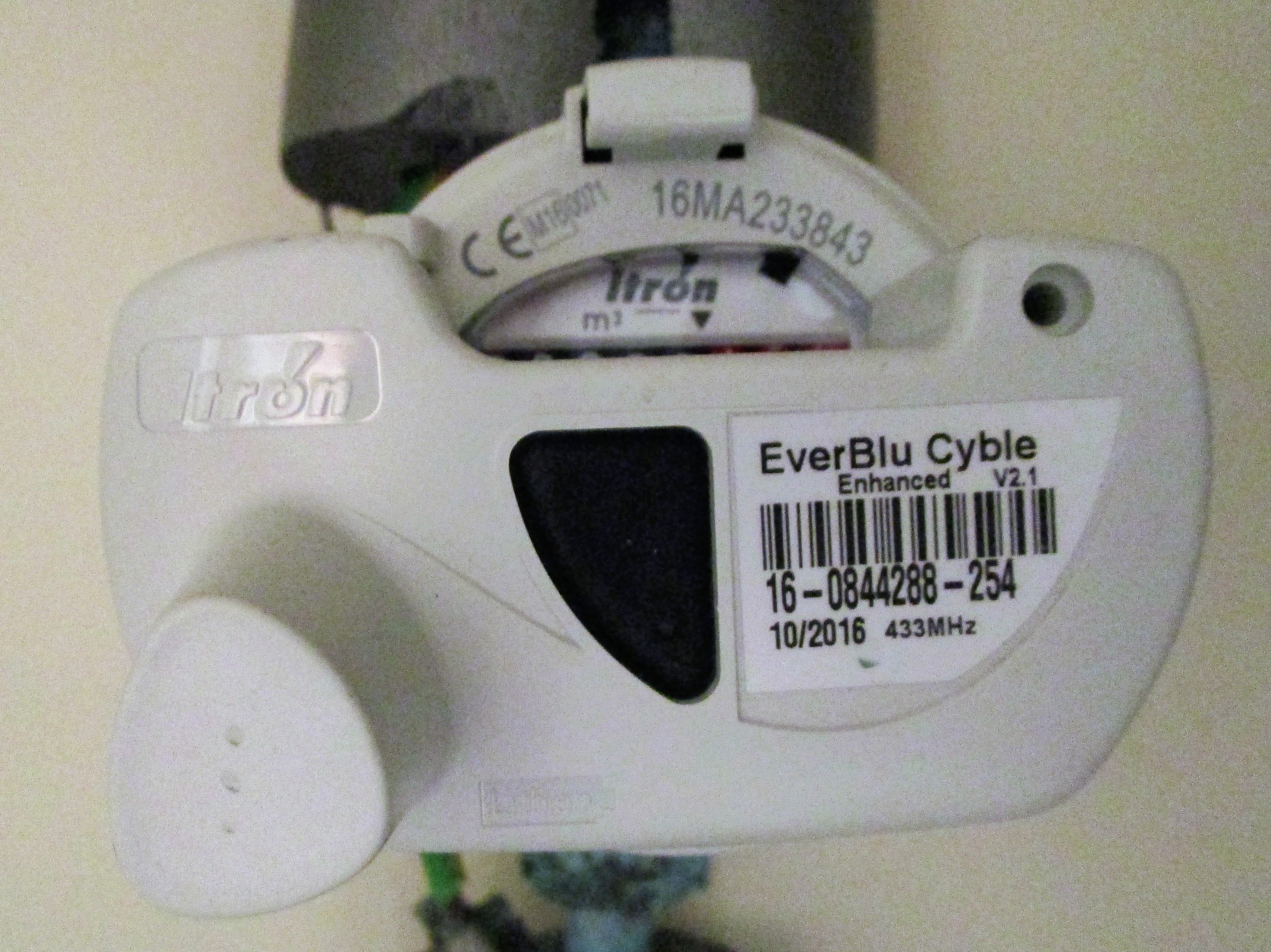 Manual folder you could also leave details of the location and accessing of all meters and their reference numbers.
I always look in that folder for this information, especially if I can’t find a water meter. I can’t tell you how often I have spent 10 minutes or so looking for a water meter that does not exist!
Maintenance / Repairs
Check that you are sure about your responsibility for maintenance and repairs. It may be a good idea to talk to a few repair men and home service engineers, to start building a good relationship with them, or to buy the necessary insurance covers, where appropriate. Landlords are normally responsible for repairs to the property. It is a legal condition of any tenancy that the landlord must keep the structure of the premises inside and out in good repair, to include decoration, gutters and drains. This also includes all installations supplying water, gas, electricity, oil, sanitation, hot water and space heating should be kept in working order.
Inventory
And finally! Before you call me to make your first inventory please ensure that all works are completed and that the property is presented as it will be when the new tenant moves in. I have worked around a carpet fitter, edged past decorators and even agreed to inventory a bathroom an hour before the check in, the shower cubicle hadn’t arrived when I did the inventory. But it really isn’t best practice and could cost you more money if I have to do a revisit to include the last piece of work after completion.


 https://www.landlordtoday.co.uk/breaking-news/2016/3/new-scheme-will-use-rent-payments-to-contribute-to-tenants-credit-scores


